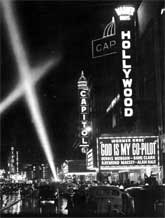
Once upon a time in Hollywood when films first started being made......
Moralists immediately began objecting. Too much nudity. Too much sexuality. Films had too much violence and criminality, too.
Censorship and control was in place. At various levels. But it was unorganized and inconsistent.
Some states prohibited a film to reveal an ankle. Yes, a naked ankle!
Or...Pregnancy. Pregnancy could not be mentoned, either.
Studios were worried they would be shut down. In 1922, the film industry formed Motion Picture Producers and Distributors of America (MPPDA). William H. Hays was elected head "Housekeeper" and his cleaning list began:
-approve morality clauses in actor's contracts
-regulate film content
In 1927 Hays' list of "Don'ts" included: suggestive nudity, sexual perversion, white slavery, sex hygiene and venereal diseases, and childbirth.....just to name a few.
But restrictions were ignored. Studios knew enforcement would still not be effective.
Audiences wanted to see what was being blacklisted. They paid to see the foridden "don'ts". And filmakers knew it. The shows went on.
Hence, "The Legion of Decency" in 1934. A creation of the American Catholic Church. Another attempt to censor films.
Again, Hollywood "redirected". This time disguising their prohibited sights as "educational works". Necessary to show "the evils" in order to educate. Educational exploitation.
One of the most successful of these films was Mom and Dad (1944). The movie is a teenage girl "in trouble". Other films were included within it showing childbirth, a caesarian, veneral diseases and their treatments. Very graphic images of female anatomy.
Mom and Dad still played at the drive-ins up into the '70's!
After WWII and by the 1950's the strict censorship declined. In 1952, Supreme Court decision Burstyn v. Wilson decided film would finally by freed from federal censorship. The Motion Picture Association of America (MPAA) now has a voluntary ratings system in place by age classification (i.e., G, M, R, X). The Hays Code was abandoned officially in 1968.
Thereby opening the doors for films today. No longer needing to be called or presented as "educational". Film can be free to be what it wants. If it so chooses.....exploitational!"
And others, thankfully, will be entertaining and exceptional!
Christine